


Early Signs of Autism in Children — What Parents Should Look For

Understanding Early Autism Signs
Every child grows at their own pace, and some differences are part of normal development. But sometimes, parents notice patterns that make them wonder if their child might be on the autism spectrum.
Autism is a neurological difference, not an illness, and spotting signs early can help children get the right support sooner. Here are some of the most common early signs, broken down by age.
Signs in Babies (Under 12 Months)
Limited eye contact or not responding to their name
Not smiling back or showing limited facial expressions
Lack of interest in people compared to objects
Not babbling or using sounds as expected
Seeming “in their own world” at times
Some babies show clear signs, while others develop typically at this stage. Trust your instincts — no one knows your child like you do.
Signs in Toddlers (12–36 Months)
Delayed speech or loss of words they previously used
Limited use of gestures like pointing, waving, or showing objects
Not following simple instructions or responding to others
Repetitive movements (e.g., flapping, rocking)
Intense interest in specific toys or routines
Distress at small changes to routine
Signs in Preschool & Early Years (3–5 Years)
Difficulty with back-and-forth conversation
Playing alone or finding it hard to join group play
Strong preferences for routines and rituals
Literal understanding of language (e.g., not understanding jokes or idioms)
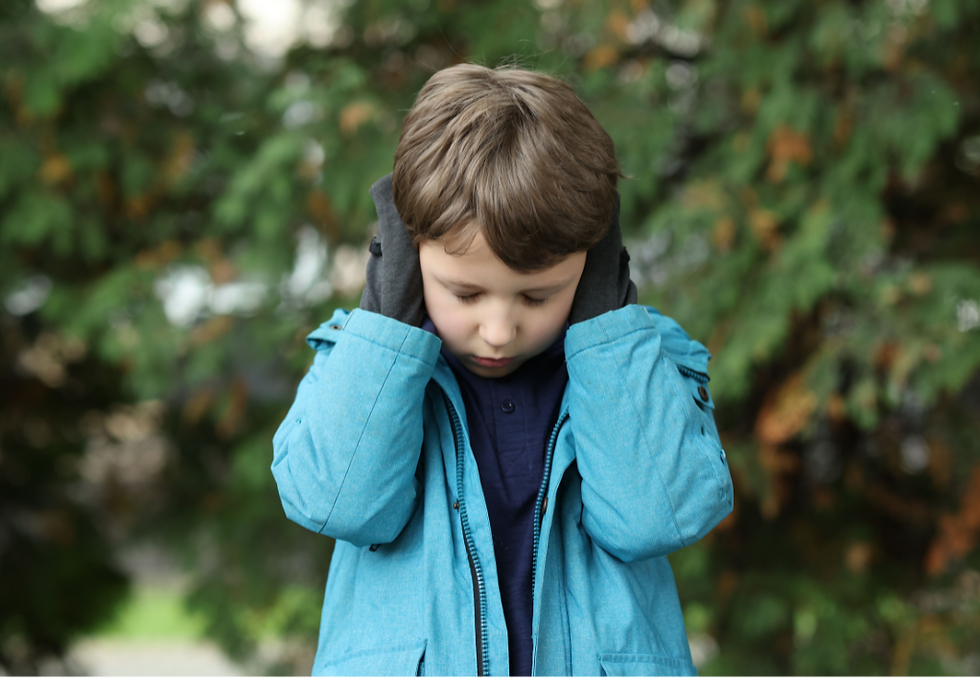
Sensory sensitivities (e.g., to noise, textures, clothing tags)
When to Seek Advice
Early identification doesn’t mean rushing to labels — it means getting support in place. Speak to:
Your Health Visitor or GP
Nursery SENCO or teacher
Local autism assessment teams (referrals are often needed)
Keep a simple log of what you notice. Apps like My
Penelope can help track behaviours, sleep and mood to share with professionals.
Final Thoughts
Spotting early signs of autism isn’t about “finding what’s wrong” — it’s about understanding and supporting your child’s unique way of seeing the world.



Comments